
Kale leaves add color, texture, and a sweet minerality to hearty autumnal dishes. Full of vitamin C and other nutrients, Kale is nourishing and satisfying. I encourage you to seek out this sturdy green at local farmers markets, where you’re sure to find a variety of colors and leaf textures. It’s easy to get in a rut, eating the same old greens. Trying kale is a great opportunity to wake up your palate.
Growing
Kale is a grand addition to the home garden, its long green and ultra-violet blue leaves displayed proudly from a thick, strong stem. This member of the cabbage family is easy to grow. The cut and come again leaves are more delicious and sweet after a frosty autumn night. Kale requires a moist soil, but tolerates a wide range of conditions with ease. Sow in spring, as they require a long growing period to reach maturity. You’ll be able to harvest from late summer through winter.
Varieties
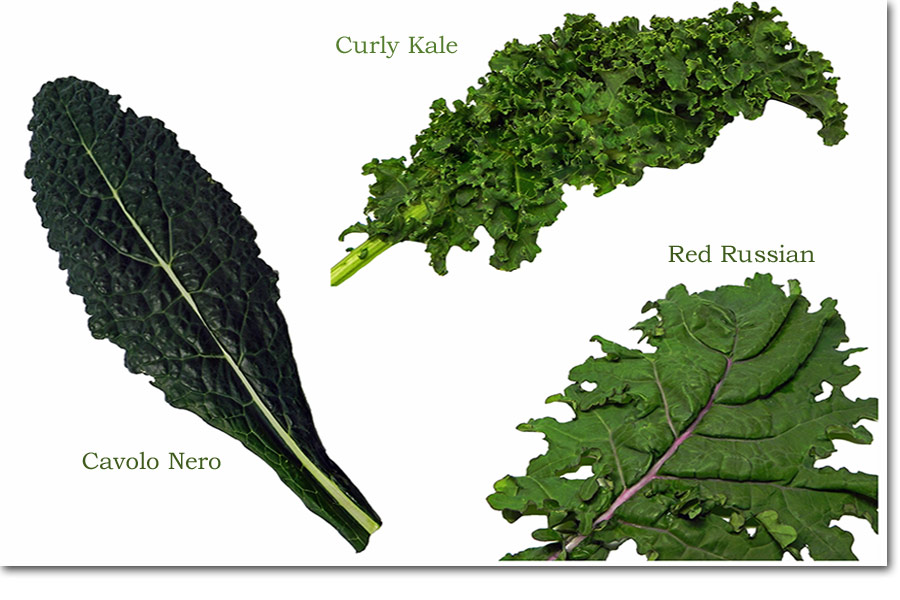
- Cavolo Nero: known as Tuscan, Lacinato, or Dinosaur kale, it displays long, dark, almost black, blistered leaves.
- Red Russian: this kale has a gorgeous colors of red or purple stem, with feathery green leaves.
- Curly Kale: similar to parsley, the bright green leaves of curly kale are stiff and crinkled.
Storing & Preparing
Keep kale leaves in a plastic bag in the refrigerator for about 3-4 days and wash just before using. Tough stems should be cut away from the leaves before cooking. According to Vegetables, by Alice Waters, prepared kale can be stored in a plastic bag in the fridge for several hours before cooking.
Cooking
Enjoy kale on its own, sautéed in olive oil with garlic and hot chile, or steamed and served with fish. Kale holds its shape and sweet flavor in slow-cooked soups, stews, and bean dishes. Toss kale into a pasta or atop a sausage pizza. Cooked kale is delicious as a topping for bruschetta. Add cooked kale to salads made with hearty grains like wheat berries, farro, or quinoa. Sautée kale in a skillet and then pour eggs over for an omelette. Bake torn kale leaves in the oven for kale chips. The stiff texture of curly kale holds up well in an Asian stir fry.
Flavor Pairing
Spices: bay leaf, crushed red pepper flakes, cumin, coriander, smoked paprika, sweet paprika, rosemary
Pork: bacon, sausages, chorizo, pancetta, ham
Eggs: poached, fried, omelette
Vinegar: red wine, cider, sherry, balsamic
Vegetables: potatoes, tomatoes, chiles, carrot, winter squash, cauliflower
Cheese: Parmesan, Pecorino, ricotta
Beans: cannellini, black beans, cranberry beans, chickpeas
Nuts: pine nuts, walnuts, almonds
Garlic, shallot, onion
Olive oil, walnut oil
raisins
Lemon
Anchovies
Soy sauce
Mushrooms
Love this. I’m a kale fanatic, no surprise. I usually grab for the lacinto, but red russian has such a nice texture when cooked! Thanks for encouraging more people to experiment with this super-green 🙂
Thanks, Kelsey! I agree with you on the red russian kale, it’s quite nice!
Curly kale makes some super-delish kale chips, with a little olive oil, salt and pepper. Love the blog, Jess – bookmarked! 🙂
Thanks so much, Laura!
Love kale — thanks for all the great ideas! One of my favorite ways to prepare it is cooking the kale beneath a pork roast. It is so simple but so, so good — alternately crispy and soft and really flavorful.
I bet that’s delicious, Kathryn! Kale and pork are best friends indeed. Thanks for stopping by!