
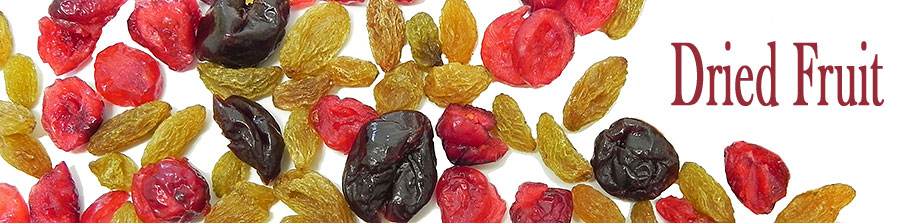
The ingredient of the week at la Domestique is dried fruit. Each December, as I prepare my pantry for winter, I enjoy stocking up on a myriad of dried fruits. Currants, raisins, and dried tart cherries are for scones, oatmeal cookies, and homemade granola. Figs are destined for baking cakes, quickbreads, and fig butter as a condiment on the breakfast table or cheese tray. Dates may be pureed in a cake batter or wrapped in bacon and served as an appetizer. Prunes bring a luscious sweetness to savory meat sauces and they really shine when poached in red wine. Apricots are a star in turkey stuffing with sage and mushrooms. All of these dried fruits can be used in salads, pilafs, or vegetable dishes. I fill glass jars to the brim with the different tones of inky purple figs, mahogany dates, festive red cranberry and golden raisins. It’s such a pleasure to look into the cupboard and see the full jars lined up, awaiting the possibilities.
Dried fruit has been dehydrated, the moisture removed, either by the sun or a machine called a dehydrator. This process concentrates the sugars and flavor, so it’s important that the fruit be perfectly ripe before dehydrating. Drying fruit is a preserving technique, like canning or curing meat, that you can perform at home. For more information on making your own dehydrated fruit, check out the book Preserved, by Nick Sandler and Johnny Acton. Every time I pick it up I’m fascinated by Peter Cassidy’s photos, which so beautifully capture the essence of fresh ingredients preserved in time by the techniques of salting, smoking, pickling, fermenting, drying and many more. Preserved is full of sound techniques and modern recipes for preserving ingredients using ancient methods.
If you’re not interested in making your own dried fruit, you can buy it in the bulk foods section of the grocery store. It’s important to note that commercially dried fruits may be treated with sulfur dioxide gas to preserve color and prolong shelf-life. Exposure to sulfites is a health concern, especially to asthmatics and people who are allergic to the chemical. The United States Food and Drug Administration requires fruit treated with sulfur dioxide be labeled as such to inform the consumer. Dried fruits labeled as “organic” cannot be treated with sulfites.
As far as nutrition goes, dried fruit is a good source of antioxidants and still keeps some (but not all) of its original vitamins and minerals. According to the Deluxe Food Lover’s Companion, vitamins A and C are depleted during the drying process, but much of the other vitamins and minerals are retained. Store dried fruit at room temperature in a plastic bag or other airtight container for up to a year.
This week at la Domestique we’ll explore the many ways to cook with dried fruits, both sweet and savory. Check back here tomorrow for 10 Ways Tuesday: creative ideas for using dried fruits in your winter pantry.
Yum! When I was a kid my family bought a dehydrator and made all sorts of dried fruit (while my brother made beef jerky). I loved making/eating apple rings, but I LOVE the chili pineapple bits from Trader Joes!
Thanks for commenting, Sara. Making your own apple rings sounds fun. I may have to look into getting a dehydrator. 🙂
Prunes are my favorite dried fruit, I have a slew of chicken, brisket and lamb recipes with a touch of this delightful dried fruit, just this weekend I marinated a roast in seasonal ale, it was almost as rich as stout, and slow-cooked it with prunes and pearl onions. It was delicious!
Yosef, I love prunes simmered in beer or wine with roast meats! The dish you made is perfect for this time of year.
All dried fruits essentially! I love dried figs… I make a pork loin that is stuffed with apricots and prunes and paired with a wine sauce. I love dried cherries in a sweeter sauce over chicken. Panettone is going to be eaten for Xmas with bits of dried fruit in it. My daughter loves chocolate covered dried cherries. Just bought a really heavy brown bread from Whole Foods with dried cranberries in it. Delicious.
Riley, so many great ideas! Love the chocolate covered cherries!