
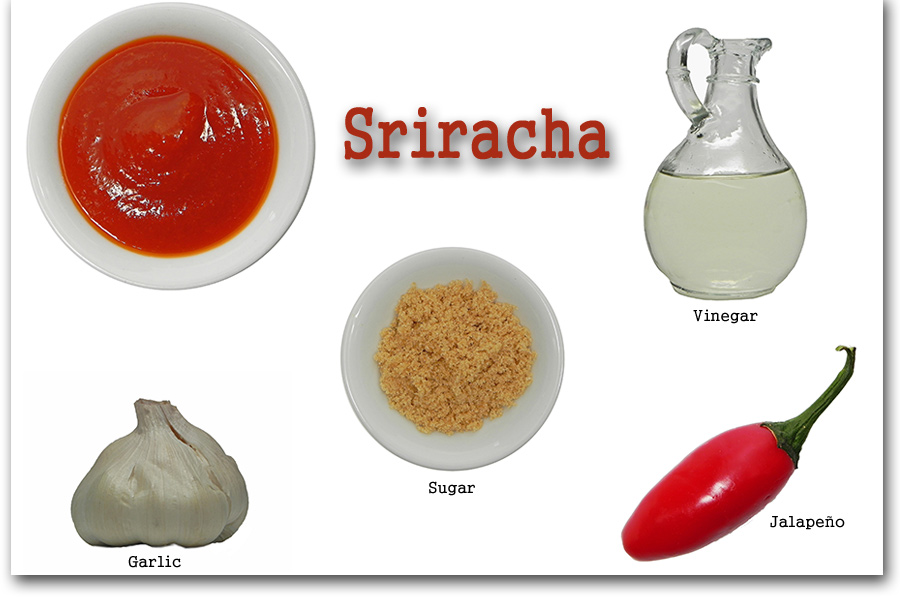
You’ve seen the large red bottle with an electric green top placed inconspicuously on tables everywhere from all American diners to Asian restaurants. Sriracha pronounced “see-RAH-chuh”, is a chili sauce. To call it hot sauce would be an insult. Sriracha has a flavor with depth and complexity. Initially it tastes a bit sweet, with the bright fruitiness of red jalapeño. Vinegar adds tang, the slightest hint of sour. Then the heat begins to build, slowly. In the background is a rich, pungent flavor- garlic. As the fire intensifies sugar is there always, mellowing the heat just enough. While researching sriracha I came across the same word over and over again- addictive. Those who know sriracha love it intensely and will proclaim that this spicy sauce is “good on everything” from pizza to Vietnamese pho. You know what? They are right.
This is why:
Chillies are used not in violence, but to awaken and stimulate the palate, to make it alive to the possibilities of other tastes.
A quote from Fuchsia Dunlop’s book, Shark’s Fin and Sichuan Pepper, a Sweet-Sour Memoir of Eating in China
The heat of sriracha wakes up the palate. It stimulates the senses in a way we cannot ignore. Just as properly salted food should not taste salty, but instead more flavorful, seasoning with sriracha brings out other flavors in a dish. It makes soups richer and more warming. Chicken broth tastes more of the fat and bones and meat that gave themselves up over hours of gently simmering. Beef stock becomes more beefy. Greens taste greener, fall squashes taste sweeter, and even chocolate tastes chocolatier when paired with sriracha. However, this is not the only reason sriracha is addictive. Psychologist Paul Rozin was interviewed about pleasure and pain on CBS Sunday Morning recently. He studies why humans get pleasure from painful stimuli. According to Professor Rozin, humans exhibit benign masochism, which means we seek out painful experiences (like hot peppers or scary movies) because we are pushing the limits, and our minds know the body is not in danger. For those who love spicy food, sriracha is a major source of pleasure.
History & Origin
Most of us in the United States are familiar with “rooster sauce,” a sriracha made in this country buy Huy Fong Foods. According to John T. Edge of the New York Times, the founder of Huy Fong Foods is David Tran, a Vietnamese immigrant who arrived in the U.S. during the 1970s. Originally, sriracha is a Thai dipping sauce named for Sri Racha, a coastal town overlooking the Gulf of Thailand. For insight into Thai cuisine and culture, check out the No Reservations Thailand episode (it’s on instant Netflix, by the way).
What is Sriracha Made Of?
Sriracha is a sauce made with red jalapeño peppers, garlic, sugar, and vinegar. It can be fresh or fermented. I like to think of sriracha as every man’s condiment- it’s super cheap at around $3 a bottle and delicious on street food or haute cuisine. Also, sriracha is widely available- the fact that Walmart carries it is a testament to its place in American culture. Making your own sriracha is simple and gratifying. She Simmers, a blog about Thai home cooking enthusiastically endorses sriracha and shares a recipe for it here. Find an informative post on making fresh vs. fermented sriracha (with pictures) over at Viet World Kitchen.
Cooking with Sriracha
Sriracha is a condiment, and therefore it’s mostly used to season food at the end of cooking. For example, sriracha is delicious as a garnish for soups, stews, and noodle dishes. Eggs smothered in sriracha is the perfect meal for some. You can cook (and bake) with sriracha, though. The Sriracha Cookbook provides 50 creative ideas for cooking with this spicy sauce. My favorites include Randy Clemens Sriracha Slaw, Three-Cheese Grits, Piquant Pulled Pork, and Spiced Sriracha Truffles. Sriracha makes an excellent marinade or basting sauce for meat and poultry. It’s also good when incorporated with other condiments like mayo or butter. The heat of sriracha gives depth of flavor and a bit of mystery to chocolate candies and cakes.
Flavor Pairing
Fall vegetables: butternut and acorn squash, pumpkin, carrots, rutabaga, parsnip, cauliflower
Greens: kale, mustard greens, Swiss chard, spinach
Melty cheeses like mozzarella and halloumi
Beef, pork, chicken, duck
shellfish like shrimp and mussels
rice noodles and pasta
fluffy white rice like aromatic jasmin
herbs: cilantro, basil, lemongrass
chocolate
tomatoes
scallions
lime, orange
cinnamon
lentils
What are your favorite flavors to pair with sriracha? Let me know in the comments section. Click Here.
Very interesting! I don’t think I’ve tried this sauce, but that’s probably because I generally steer away from spicy things 🙂 Sounds like a wonderful condiment, however!
Maria,
I am not normally a heat-seeker when it comes to food. I think sriracha (especially as a garnish for soup) is an approachable intro.