
The Pleasure of Growing Herbs
This week at La Domestique has been devoted to the fresh herbs of summer. Cooking with fresh herbs is an easy and affordable way to add life and flavor to food. Herbs stimulate our senses with their pungent aromas and varied textures. Cooking with herbs is using your hands to pluck leaves from the stem. Chopping herbs with a knife releases their potent essential oils. Using herbs in the kitchen makes food more gratifying and interesting.
In The River Cottage Cookbook, Hugh Fearnley-Whittingstall writes:
“I find herbs incredibly rewarding, and it’s not just the cooking. To be in the garden and to be able to grab, on a whim, a few leaves to tear in the fingers, to release their distinctive, dependable scent, provides the gardener with regular tiny moments of tiny bliss.”
2011 is the first year I’ve gardened a plot of my own in the local community gardens. I divided the 10×20 foot space into three smaller plots, one devoted to herbs. When I planted the bare soil last spring, I dreamed about a wild, gregarious garden full of herbs, flowers, and chili peppers in summer. Herbs need little help from the gardener, and I got such joy from grabbing handfuls of aromatic sage, basil, thyme, oregano, etc. Now it’s September and my little herb garden is still giving generously. You don’t need a garden outside to grow herbs, a sunny windowsill is the perfect habitat for most varieties. Start with one and give it a try. For those without a garden, windowsill herbs are a great way to stimulate the senses and add something fresh to your cooking.
Storing
After a lot of experimentation, here is my method for storing fresh herbs:
Dampen a paper towel with water and squeeze out the excess. Set the wet paper towel atop a dry paper towel. Place the herbs on the dry side, wrap them up, and place them in a sealed zip lock bag.
I’ve found this method keeps herbs fresh for several days, the sturdier herbs will last a week. Parsley is the only exception. It stores best placed in a glass of water, the top leaves covered in a plastic bag, kept in the fridge. This method keeps parsley fresh for a week, easily. Change the water every other day.
Cooking with Summer Herbs
Basil
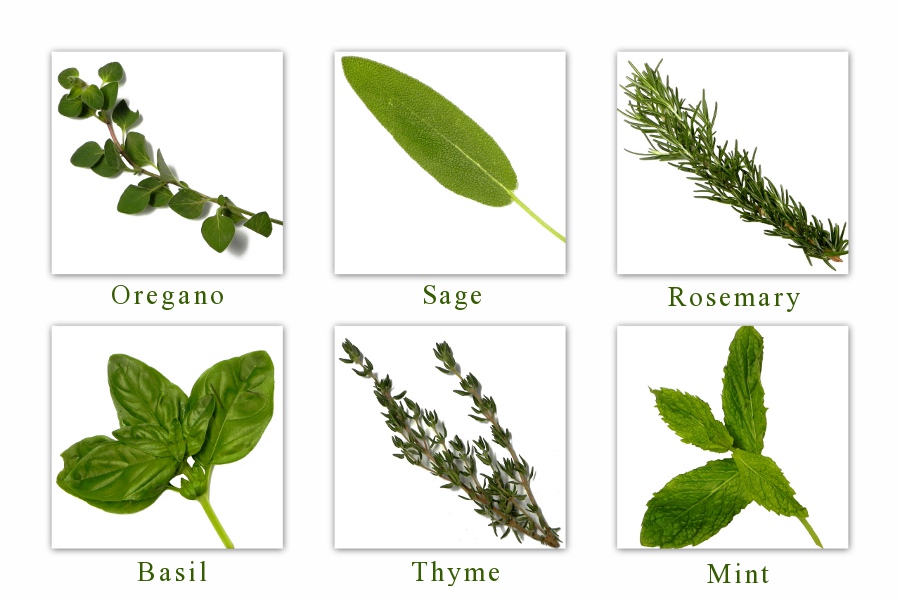
To me, basil is the quintessential herb of summer. It’s definitely one of the most aromatic, with a spicy, anise scent. According to Herbs & Spices, basil belongs to the mint family, which isn’t surprising given its fresh, sweet flavor. The large green leaves of basil (or purple) are soft and silky to the touch. The flavor is sweet and peppery, with a hint of anise. This herb looses its fresh fragrance when cooked, so it’s best to add basil at the end of cooking. Use it in salads, sauces (pesto, chimichurri, Italian salsa verde), pasta, or to garnish soup. Basil pairs beautifully with summer vegetables like tomatoes, squash, zucchini, eggplant and potatoes. Fruits such as berries and peaches are get along great with basil. Beef and basil are a classic pairing. Sweet, succulent shellfish (shrimp, lobster, scallops, mussels) are also delicious with fresh basil.
Mint
This highly invasive herb will quickly take over the whole garden, so it’s best grown in a pot. I learned from Herbs & Spices that the fragrance of mint comes from menthol, which leaves a cooling and numbing sensation in your mouth. Spearmint is the most popular mint for cooking with, as its flavor is lemony and refreshing. Peppermint has a much more intense, hot flavor that can overpower the palate. Mint is very popular in Middle Eastern cuisine, like in Morocco where it is used for sweet green tea. The refreshing, highly aromatic character of mint is welcome in salads, as a garnish for chilled soups, and pasta dishes. Mint is traditionally paired with summer produce like eggplant, zucchini, squash, melons, cucumbers, carrots and beets. Summer fruits such as figs, berries and stone fruits go well with mint. Lamb and mint are a classic duo.
Sage
For many, sage is firmly relegated to Thanksgiving, but all summer long my garden has been full of this heat-loving Mediterranean herb. It’s quickly become one of my favorites. I love the beauty of long, narrow sage leaves which are green or even purple. The aroma is musky and sweet with a hint of camphor. Sage leaves are soft and fuzzy, like lamb’s ear. I would encourage you to try cooking with sage throughout the year like the Italians do. Sage is a must for flavoring beans, especially cannellini. It’s delicious in pasta with Parmesan. To flavor grilled or roasted meats, put sage in the marinade. In The River Cottage Cookbook, Hugh Fearnley-Whittingstall refers to sage as “the offal lover’s best friend”, because it goes so well with liver and the like. Sage leaves are tasty fried or their own, or chopped and used in the batter for fried chicken. Pork, chicken, and sausage pair beautifully with sage as well.
Thyme
Thyme is an evergreen herb that makes for excellent ground cover in our Colorado climate. This sturdy herb with tiny green leaves holds up well to cooking. It has a spicy, savory aroma and an earthy flavor. These characteristics mean that thyme adds depth and complexity to soups, stews, and poached fish. Thyme pairs well with tomatoes, squash, zucchini, carrots, leeks, artichokes and mushrooms. Stuff thyme sprigs into a chicken before roasting and the savory aroma will fill the kitchen, while infusing the meat. Peaches and thyme are a surprisingly good combination- especially when goat cheese is involved. Olives also get along well with thyme. Experiment with the many different varieties, including lemon thyme and variegated thyme.
Oregano
I’m a big fan of the warm, peppery, lemony, almost cumin-like flavor of oregano, another member of the mint family. The small leaves are soft and a bit fuzzy to the touch. Though oregano is associated with Italian cuisine, I’ve enjoyed adding it to Middle Eastern, Asian and Mexican inspired meals this summer. The pungent aroma of oregano is nice on pizza, in pasta sauces, or with roasted vegetables. Oregano gets along well with paprika, cumin and chili. It pairs nicely with carrots, zucchini, artichokes, peppers and tomatoes. Use oregano in a marinade for grilled pork or toss it in a corn salsa. I think oregano is an under-used herb that brings a lot of flavor to food.
Rosemary
Rosemary is a woody evergreen herb with an aggressive pine aroma. The flavor is slightly bitter and the leaves are tough and green. It’s to best chop rosemary very finely for cooking or throw in a whole sprig and pull it out before serving. The robust taste of rosemary pairs well with lamb and beef. The Italians also like rosemary with seafood, which is something I don’t think many of us in the U.S. have tried. One of my favorite ways to use rosemary is with balsamic vinegar for chicken or vegetables like carrots. Roast potatoes and rosemary are a fantastic combination. Produce that have an affinity for rosemary include tomatoes, eggplant, mushrooms, and even apricots. Use rosemary in a bouquet garni to flavor rice, beans, or lentils.
I hope you enjoyed this round-up of summer herbs. How do you like to use herbs in summer cooking? Let me know in the comments section. Click Here.