
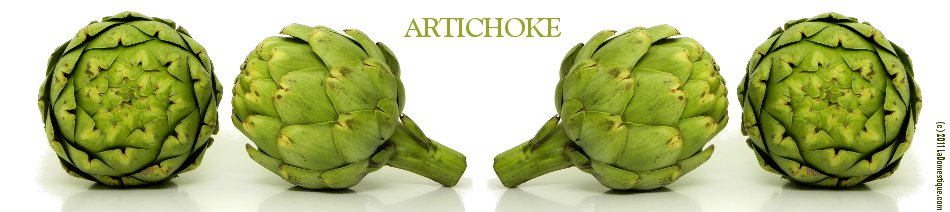
After spending last week on the ancient grain, farro, I have slow food on the brain. Slow food- ingredients with a history, unique flavors that have been cultivated for centuries, labor intensive and slow growing. This week at La Domestique I turn my attention from farro to an ancient thistle: the artichoke. This thorny flower could be the slow food mascot. Not only does it meet the above criteria, but the artichoke requires us to slow down and put a little work into eating it. For many, the artichoke asks too much. Thorny scales make it difficult to pick up and handle. The flesh rapidly oxidizes, turning brown while you work as fast as you can to trim it. Inner leaves are edible and delicious, but require the effort of pulling them through your clenched teeth to savor a minute amount of flesh. After all this, the delicious heart is hidden behind a hairy, inedible choke which must be scraped out. Why bother?
In his book, The Heart of the Artichoke, David Tanis writes, “For those willing to take the journey the delicious heart is the prize at the end of the trail.” A certain pleasure can be gained by giving yourself over to the task of preparing food. Last night I made hash browns for supper. As I grated the potato by hand on my box grater, I felt like a grandmother from the old world. My husband and I chatted about everything and nothing. There was something reassuring about the constant scraping of the grater. I took my time, and he opened a bottle of wine. If you can’t enjoy the journey of trimming and scraping, then the idea of cooking an artichoke is pointless.
This week at La Domestique, join me as I slow down and savor the indescribable flavor of the artichoke. Words can come close but remain vague: delicate, nutty, earthy, herbal, tangy, and slightly bitter. The best I can do to compare an artichoke to something familiar is that of a green olive. But there is nothing like an artichoke- prehistoric looking with deep green and purple pigments. If allowed to flower, this prickly thistles bursts into a glorious purple bloom. Though globe artichokes are available year-round, peak artichoke season is March through May. The delicate flavor of spring artichokes pairs nicely with other seasonal ingredients: asparagus, peas, favas, lamb, herbs, and veal. Look to ladomestique.com this week for recipe ideas and inspiration to slow down and enjoy the journey. Spring will pass in the blink of an eye, let’s savor its delicate flavors before the summer heat brings on the bold vegetables. Cook in the moment at ladomestique.com.